How to Donate Excess Inventory: A Step by Step Guide for Companies
Donating excess inventory sounds simple until you try to do it yourself. Here is the process we run for companies, step by step, so you know what to expect.
1. Build a quick product list
Product type, quantity in pallets or cases, condition, dates for food or dated goods, and the pickup location. Photos help. A SKU sheet is ideal but not required.
2. Decide what should not be donated
Recalled, counterfeit, expired OTC medicine and anything unsafe come out first. Those go to recycling or certified destruction. See what we accept.
3. Pick the recipient
The right nonprofit depends on the product. Food banks want shelf stable food and hygiene items. Shelters want new socks, coats and bedding. Schools want supplies and furniture. We match by category and by whether the recipient can physically receive a pallet.
4. Protect your brand
Every recipient signs no resale terms. If your pricing is sensitive, request debranding or placement only with programs that hand goods directly to individuals.
5. Book the pickup
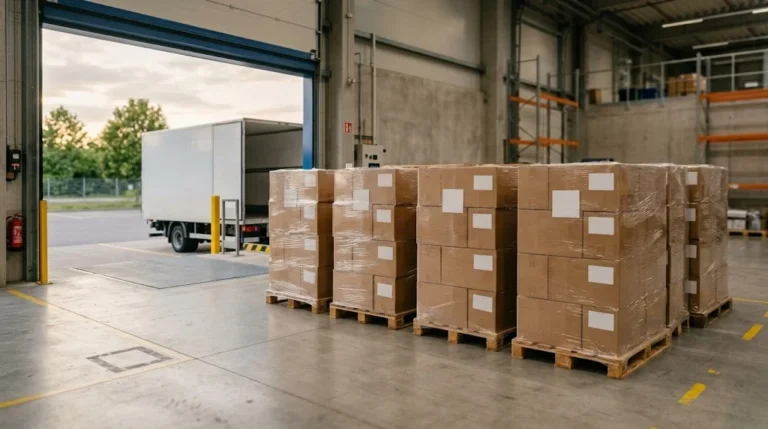
Palletize and wrap, confirm dock hours, and we book the carrier. Hazmat items such as sanitizer or aerosols ship under DOT rules, which we handle.
6. Collect the paperwork
You should end up with a tax donation receipt from the nonprofit, a bill of lading, photos and an itemized list. If you plan to claim the enhanced deduction, also get the nonprofit statement of use. See the tax deduction guide.
Or skip the steps
Send us the list and we do all six. One flat fee per pallet or truckload. Get a donation quote.